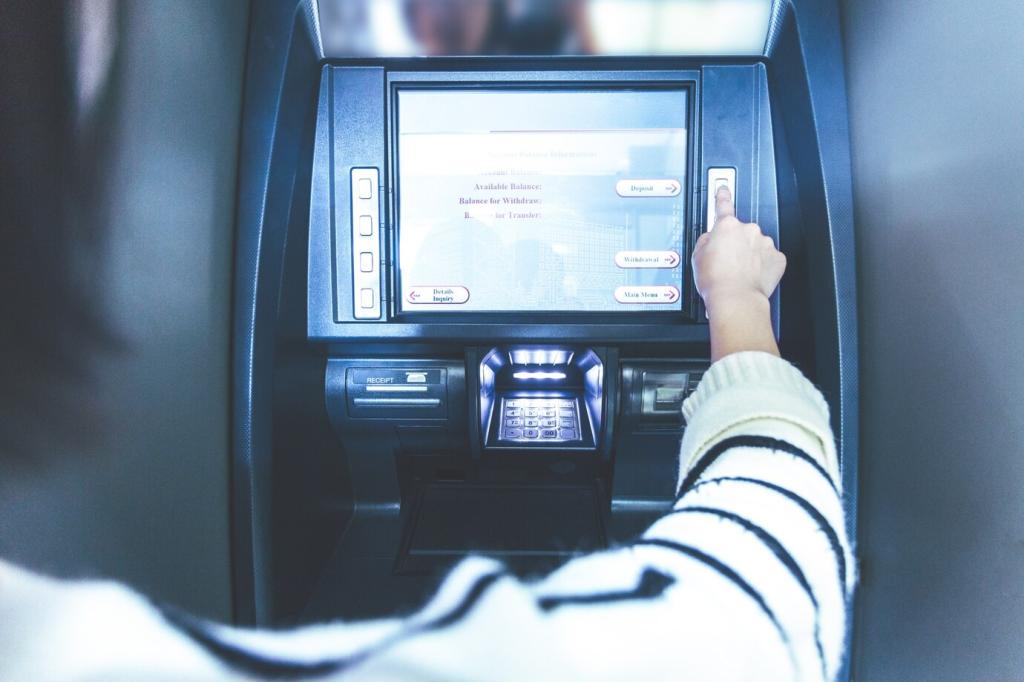
Chosen theme: Protecting Personal Finances with Strong Online Practices. Build simple, lasting habits that keep your accounts secure without turning life into a security drill. Learn, apply, and share what works—subscribe, ask questions, and help the community stay one step ahead of fraud.
Trade short, complex strings for long, memorable passphrases that use unrelated words and a dash of punctuation. A phrase like “orchid-train-meadow!saves” is easier to remember and tough to crack. Share your best passphrase ideas in the comments to inspire safer habits.
Build Unbreakable Password Habits
A reputable password manager reduces reuse and guessable patterns by generating and storing unique credentials. Protect it with a strong master passphrase and device biometrics. If you already use one, tell us which features helped most and what made the transition easier.
Make Multi‑Factor Authentication Your Default
01
Whenever possible, choose app‑based codes or hardware security keys over SMS. Text messages can be intercepted or hijacked. Banking, brokerage, and payment wallets usually support stronger options. Comment with your experience transitioning to app authentication and any hiccups we can help you solve.
02
Store backup codes offline in a safe place, not your email. Add a recovery method you control, and prune old devices. A reader once avoided a lockout by keeping codes in a sealed envelope. Subscribe for a printable recovery checklist you can adapt today.
03
Traveling or changing phones? Before you leave, test logins on essential money apps with airplane mode enabled. Confirm codes work offline or that you have roaming. Share your best travel MFA tips so other readers avoid frantic calls to support from hotel lobbies.
Secure Your Devices and Connections
Enable biometric unlock, strong device passcodes, full‑disk encryption, and automatic screen locks. Set your wallet and banking apps to require re‑authentication. If a device is lost, remote‑wipe quickly. Subscribe for our five‑minute device hardening checklist tailored to personal finance apps.
Secure Your Devices and Connections
Avoid logging into money accounts on airport or café Wi‑Fi. Use your mobile hotspot or a trusted VPN instead. Attackers love crowded networks. Share your routine for safer travel banking, and we’ll compile community‑tested tips for stress‑free trips and layovers.
Banking Apps, Alerts, and Account Hygiene
Turn On Real‑Time Alerts
Enable push alerts for purchases, transfers, and new payees. Fast notifications shrink losses by catching misuse early. A reader spotted back‑to‑back $1 test charges and froze their card within minutes. Tell us which alert thresholds proved helpful rather than noisy.
Separate Spending from Savings
Keep daily spending in one account and store savings elsewhere, ideally at a different institution. Segmentation limits exposure if a card is compromised. Share how you structure accounts and which combinations balance convenience, interest, and strong protection without adding hassle.
Daily 60‑Second Checkup Routine
Open your banking app, scan recent activity, and verify expected deposits each morning. Sixty seconds builds awareness and reduces anxiety. If something looks off, act immediately. Subscribe to get our one‑page morning checklist and printable habit tracker for consistent, calm oversight.
Protect Your Identity and Credit
A credit freeze blocks new accounts from being opened in your name and can be lifted temporarily when needed. It’s a powerful, underused defense. Comment if you’ve set one up and how easy the temporary thaw process felt during major purchases.
Family and Shared Finances Online
Scammers love pressuring kids to read gift card numbers over chat or phone. Practice refusal scripts and role‑play scenarios together. Keep cards and receipts until funds are spent. Share a teaching moment that worked in your home to help other families start the conversation.